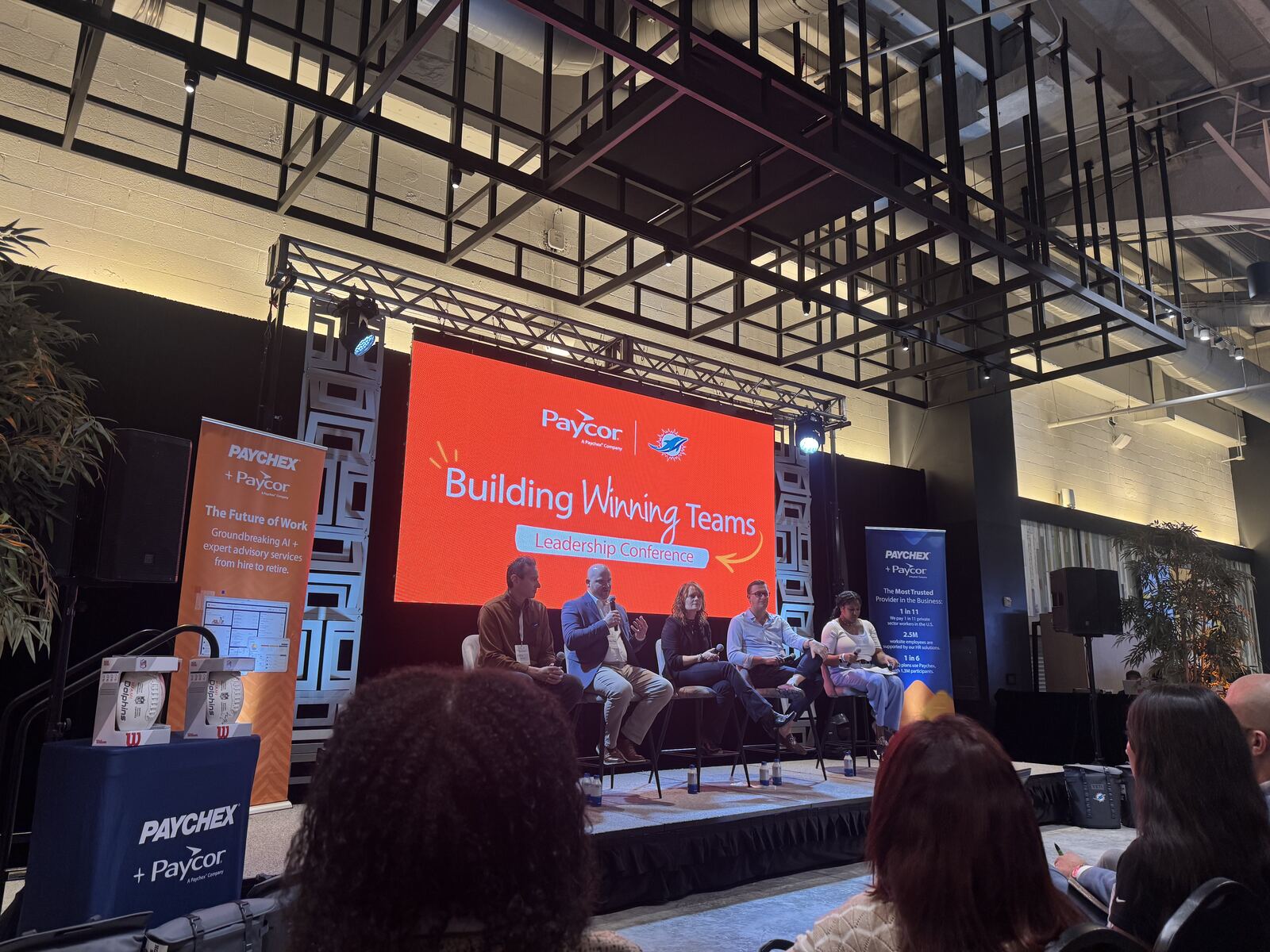
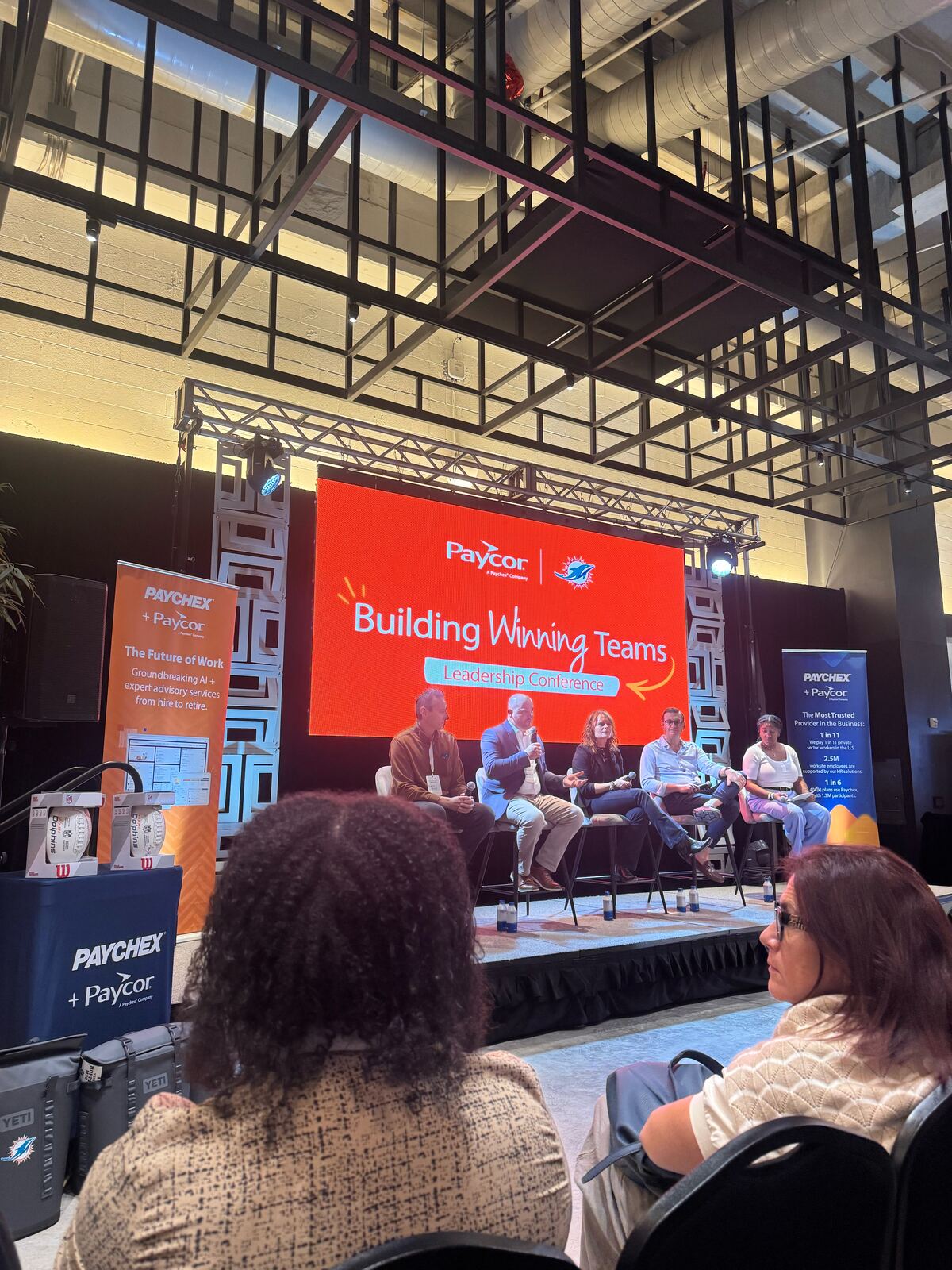
This afternoon I'm at Hard Rock Stadium in Miami Gardens for Building Winning Teams, the leadership conference hosted by Paycor, a Paychex Company, and the Miami Dolphins. The room is full of South Florida business leaders, and the agenda covers AI in the workplace, workforce trends and what it takes to build high-performing teams. There's a leadership panel of Paychex and Dolphins executives, and a keynote from former Dolphins tight end Anthony Fasano.

I'm here because Paycor, a Paychex Company, is one of Basis Point Hospitality's vendors. We work with Paycor to find savings for restaurant groups and to bring savings strategies to brands. Labor is the biggest line on most restaurant P&Ls after food, and it's where multi-unit operators have the least room for error. Here's what I'm taking back for operators running 20 or more units.
Why one vendor is never the whole story
Paycor, a Paychex Company, is one of about 30 vendors BPH works with. In our experience, Paycor saves clients roughly 15 to 25 basis points. That's useful, but one vendor isn't what moves a P&L. Put all of them to work together and the combined effect is significant: in BPH's own client results, about 5% of sales. Those are typical results, not guarantees; every group's results depend on its own statements and contracts.
1. AI is coming to scheduling and payroll first, not the line
The panel's focus on AI matched what we see in restaurant groups. The early wins aren't robots in the kitchen. They're in the back office: forecasting labor against traffic, catching schedule drift, and flagging payroll errors before they repeat across every location. For a 20+ unit group, a small error copied into every store's payroll stops being small.
Takeaway: ask whether your payroll and scheduling data actually talk to each other, location by location. If they don't, you can't see where labor dollars are leaking.
2. "Building winning teams" is a cost conversation
Turnover is a leadership problem, and it's also a P&L problem. Every replacement hire means recruiting, onboarding and training hours, and new hires take time to reach full speed. The leaders on stage kept coming back to culture and clear expectations. In restaurants, that shows up as retention, and retention shows up in labor cost percentage.
Takeaway: track labor cost and turnover together, by unit. The stores with the highest turnover are often where labor cost runs highest too.
3. Payroll-tax credits are often left on the table
This is where workforce strategy meets money operators already earned. Restaurant groups can qualify for federal payroll-tax credits, such as the FICA tip credit on employer taxes paid on reported tips and the Work Opportunity Tax Credit for eligible new hires. These credits depend on clean payroll data, timely paperwork and accurate tip reporting. In multi-unit groups, those processes often vary from store to store, so credits get missed or under-claimed.
Takeaway: check that every location follows the same tip-reporting and new-hire screening process, and that someone owns the credit claims. Talk to your tax advisor about what applies to your group.
Nothing changes inside the four walls
None of this means changing your menu, your crew or your guest experience. It means reading the statements, invoices and payroll records you already have, and finding the dollars hiding in them.
That's what Basis Point Hospitality does for multi-unit restaurant groups. It starts with a free diagnostic and a written report with one hard-dollar number. If you move forward, the model is simple: we find $1, you pay us 20 cents. No savings, no fee.
If you were in the room today, or you run 20+ units and want a second set of eyes on your labor and payroll costs, let's talk.
Photo: the Building Winning Teams leadership panel at Hard Rock Stadium, October 21, 2026.
Takeaways
Ask whether your payroll and scheduling data actually talk to each other, location by location. If they don't, you can't see where labor dollars are leaking.
Track labor cost and turnover together, by unit. The stores with the highest turnover are often where labor cost runs highest too.
Check that every location follows the same tip-reporting and new-hire screening process, and that someone owns the credit claims. Talk to your tax advisor about what applies to your group.
Explore the program
Franchisee profitability programSee the Franchisee Profitability Program
The diagnostic is free. We find $1, you pay us 20 cents — on realized savings and new revenue. No savings, no fee.
See the Franchisee Profitability Program